
Can You Sell a Car That Doesn’t Start Anymore? Here's What Indiana Vehicle Owners Should Know
Introduction
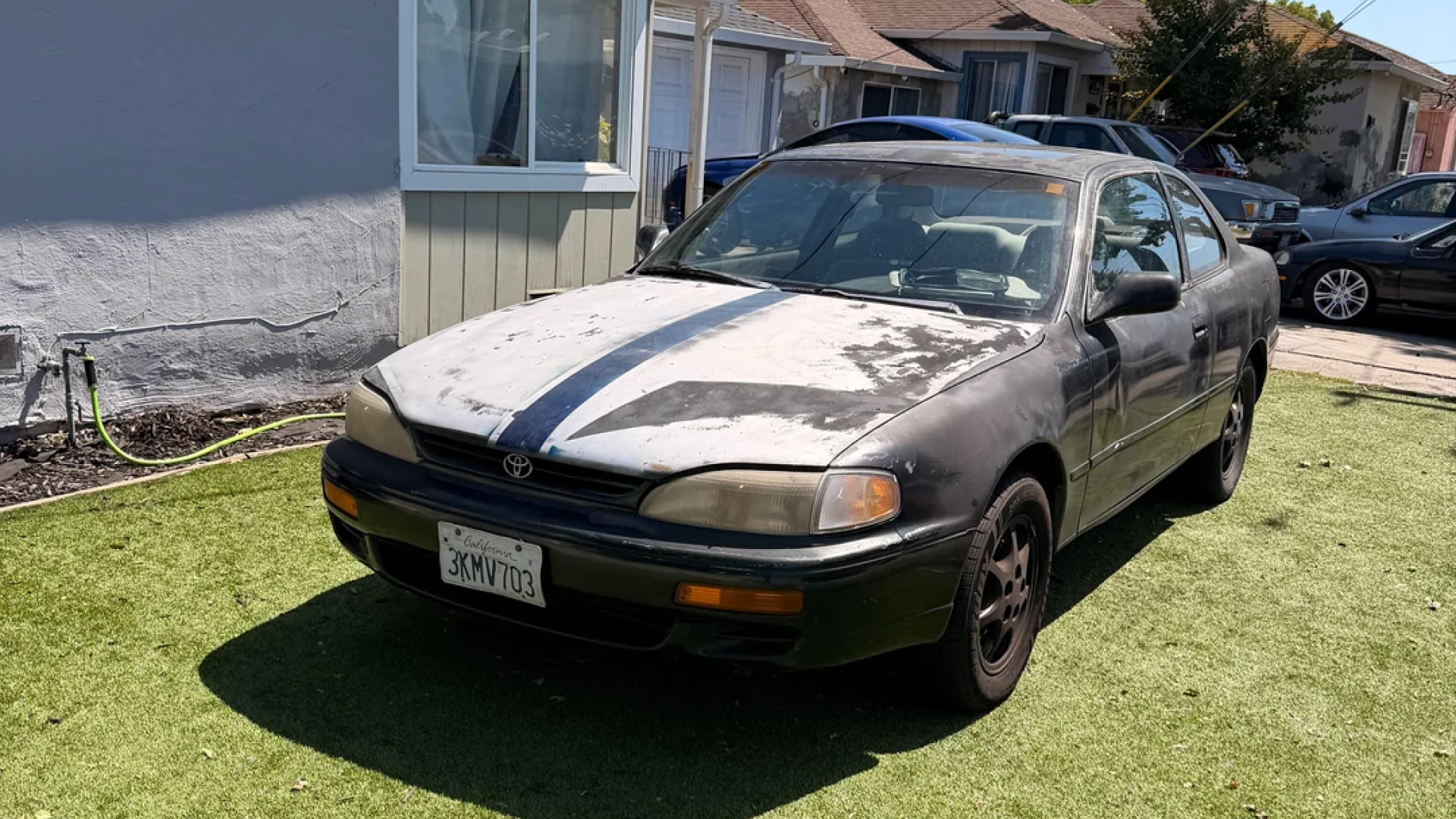
A car that won't start can quickly become more than just an inconvenience. Whether it has been sitting in your driveway for months, has suffered major mechanical failure, or simply reached the end of its useful life, you may wonder if it still has any value.
The good news is that a non-running vehicle can often still be sold. Even when a car is no longer drivable, it may contain reusable auto parts and recyclable materials that make it valuable within the automotive recycling industry.
For Indiana vehicle owners, understanding how non-running vehicles are evaluated can help you make informed decisions about selling, recycling, or disposing of an unwanted vehicle. AACME AUTO PARTS participates in vehicle recycling by purchasing junk vehicles and supplying used auto parts, helping recover valuable automotive components whenever possible.
Why a Car That Doesn't Start May Still Have Value
A vehicle doesn't have to be running to be valuable. Many non-starting vehicles still contain components that can be reused or recycled, including:
Engines and engine accessories
Transmissions
Alternators
Starters
Wheels and tires
Doors and body panels
Mirrors
Interior components
Electrical parts
Even if the engine has failed, other parts may remain in usable condition. In fact, there is a hidden value in your old vehicle that makes them worth cash despite major mechanical setbacks.
Common Reasons Cars Stop Running
Vehicles stop starting for many different reasons. Some of the most common include:
Engine Failure
Major internal engine damage may prevent a vehicle from operating, but other components may still have value.
Transmission Problems
Transmission failure can make a vehicle undrivable even if many other systems remain functional.
Electrical Issues
Problems with the battery, starter, alternator, or wiring can prevent a vehicle from starting.
Accident Damage
Collision damage may leave a vehicle unsafe to drive while many individual parts remain reusable.
Age and Wear
Older vehicles naturally experience mechanical wear over time, eventually making repairs impractical. If you are experiencing multiple system issues, look over the 5 signs its time to sell your junk car for cash.
How Non-Running Vehicles Are Evaluated
When a vehicle is sold for recycling or salvage, it is typically evaluated to determine which components can still be recovered. Factors often considered include:
Vehicle make and model
Model year
Overall condition
Completeness of the vehicle
Condition of major components
Potential for reusable auto parts
Recyclable metal content
Every vehicle is different, so the evaluation process varies from one car to another. For a deeper breakdown of how salvage buyers calculate these numbers, check out this guide on how AACME Auto evaluates the value of a junk car.
The Role of Vehicle Recycling
Selling a car that no longer starts isn't only about removing an unwanted vehicle—it also supports responsible automotive recycling. Vehicle recycling helps:
Recover reusable auto parts
Reduce unnecessary waste
Recycle valuable metals
Extend the life of automotive components
Support more sustainable use of resources
Many materials from end-of-life vehicles can continue to serve useful purposes long after the vehicle itself is no longer on the road. Opting for an eco-friendly disposal minimizes landfill waste and lowers the demand for newly manufactured metals.
How AACME AUTO PARTS Supports Automotive Recycling
According to its website, AACME AUTO PARTS purchases junk vehicles and supplies used auto parts as part of its automotive recycling operations. By recovering reusable components from end-of-life vehicles, the company helps make quality used auto parts available while supporting responsible vehicle recycling practices.
This approach benefits both vehicle owners looking to dispose of unwanted cars and customers searching for replacement automotive parts. To understand the full environmental cycle of this program, you can read about the lifecycle of a junk car at AACME Auto.
Preparing to Sell a Non-Running Vehicle
If you're planning to sell a vehicle that doesn't start, taking a few simple steps can help make the process easier.
Gather Important Information
Be prepared to provide:
Year
Make
Model
Vehicle Identification Number (VIN)
General condition
Information about major mechanical problems
Locate Ownership Documents
Having ownership documentation available can help simplify the sale. Review the guide on what documents do you need to sell a junk car in Indiana to ensure a legal transfer. If you're unsure which documents are needed or have title questions, contact the buyer before arranging the transaction.
Remove Personal Belongings
Before transferring the vehicle, carefully check the interior, trunk, and storage compartments for any personal items. For a quick checklist before the flatbed arrives, see what to do before the tow truck arrives.
Benefits of Selling a Non-Running Vehicle
Choosing to sell an unwanted vehicle instead of leaving it unused offers several advantages. These may include:
Freeing up valuable space
Supporting environmentally responsible auto recycling
Giving reusable parts a second life
Helping recover recyclable automotive materials
Eliminating the need to maintain an unusable vehicle
Reviewing the top 7 benefits of selling your junk car instead of letting it sit highlights just how much money and structural space you can save.
Frequently Asked Questions
Can I sell a car that won't start? Yes. A vehicle doesn't have to be running to have value. Non-running vehicles may still contain reusable parts and recyclable materials. You can discover more details on how this works in this specific overview: how selling a non-running vehicle to AACME Auto works.
Are non-running cars worth anything? Many are. Their value depends on factors such as condition, reusable components, recyclable materials, and overall demand for parts. For insight into current pricing structures, consult the guide on how much is a junk car worth in Indiana.
What happens after a junk car is sold? The vehicle is generally evaluated to determine which parts can be reused and which materials can be recycled through the vehicle recycling process.
Can reusable parts come from non-running vehicles? Yes. Even if a vehicle no longer operates, many individual components may still be suitable for reuse, depending on their condition.
Why is vehicle recycling important? Vehicle recycling helps conserve resources, reduce waste, recover usable automotive materials, and support a more sustainable automotive industry.
Conclusion
A vehicle that no longer starts isn't necessarily at the end of its value. Many non-running cars still contain reusable parts and recyclable materials that contribute to the automotive recycling industry.
Understanding how salvage and recycling work allows Indiana vehicle owners to make informed decisions when it's time to part with an unwanted vehicle. Through responsible recycling and the recovery of quality used auto parts, companies like AACME AUTO PARTS help extend the life of valuable automotive components while supporting sustainable vehicle disposal.
Contact AACME AUTO PARTS
If you have a car that no longer starts and want to learn more about selling it or exploring available used auto parts, visit the AACME AUTO PARTS website or contact their team for information about their vehicle purchasing and automotive recycling services.